Breaking: Destructive Cyberattacks on the Rise—Experts Release Urgent 2026 Preparedness Guidance
In a stark warning issued today, a coalition of leading cybersecurity researchers from major organizations detailed a surge in destructive cyberattacks—including wipers, ransomware, and malware designed to render systems inoperable. The team, led by Matthew McWhirt, Bhavesh Dhake, and Emilio Oropeza, released an updated preparedness guide for 2026, emphasizing immediate proactive measures.
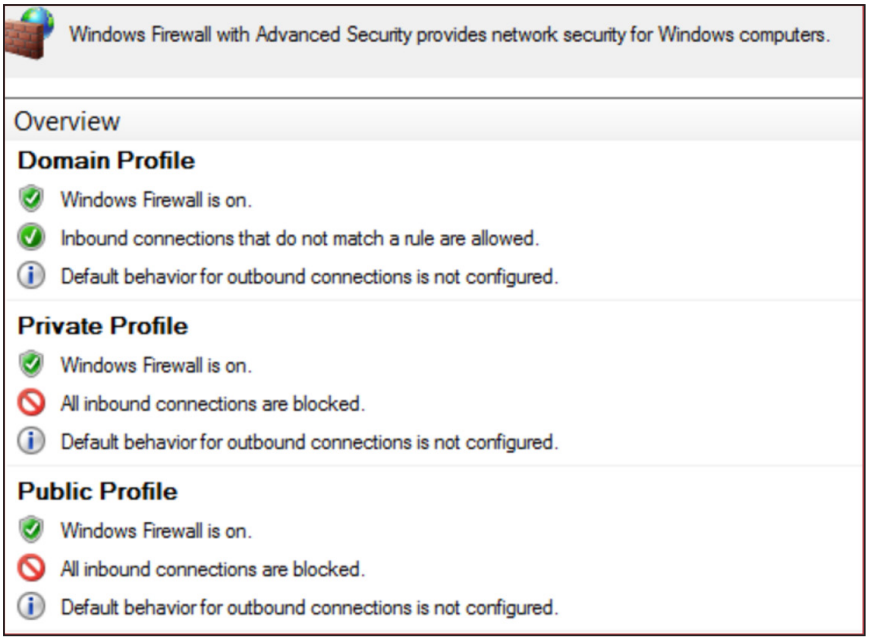
“Destructive attacks are an inexpensive, easily deployable weapon during conflict, and instability directly drives an increase in such incidents,” said McWhirt. “Organizations must harden their defenses now, before they become the next target.” The guide provides practical, scalable recommendations to protect against not only destructive malware but also reconnaissance, privilege escalation, and lateral movement.
Key Recommendations: Endpoint Hardening and Detection
The updated guide stresses that organizations should not rely solely on existing security tools. “Custom detection opportunities, correlated to specific threat actor behavior, are essential for catching anomalous activity early,” explained Dhake. Effective monitoring depends on a deep understanding of each organization’s unique environment and pre-established baselines.
Specifically, the authors call for enhanced endpoint and network security tools that use signatures and heuristics. “These tools detect malicious activity with reasonable fidelity, but they must be supplemented with custom monitoring,” Oropeza added.
Background
Destructive cyberattacks have historically been rare due to the risk of reprisal, but recent geopolitical tensions have lowered the barrier. Wipers, modified ransomware, and other destructive malware are now being deployed in selected incidents to destroy data, eliminate evidence, or manipulate systems. The new guide addresses this evolving threat landscape.
What This Means
For organizations, the message is clear: technical preparation and recovery are no longer enough. “Organizational resilience must include crisis preparation and out-of-band communication,” the guide states. Establish a communication platform completely decoupled from corporate identity to ensure coordination even when primary systems fail. Defined contingency and recovery plans, including manual procedures for vital business functions, are critical.
The guide also warns against abuse of endpoint and MDM platforms, a newly added section. “Threat actors are increasingly misusing management tools to deploy destructive payloads,” said Stuart Carrera, another author. “We have included specific hardening steps to close these gaps.”
Practical Steps for Immediate Action
- Establish out-of-band incident command: A pre-validated, separate communication platform ensures key stakeholders and third-party support can coordinate securely during a crisis.
- Develop operational contingency plans: Document manual procedures for essential business functions to maintain continuity during restoration or rebuild efforts.
- Enhance endpoint monitoring: Deploy custom detection rules that trigger on divergence from normal patterns, not just known signatures.
- Secure MDM and endpoint management platforms: Apply strict access controls and audit usage to prevent abuse by attackers.
“Effective monitoring is dependent on a thorough understanding of your environment and established baselines,” emphasized Gautam Krishnan. “This is not a one-time exercise—it requires continuous refinement.”
Full Guide Available
The complete 2026 Preparedness Guide is being distributed through official cybersecurity channels. Organizations are urged to review and implement the recommendations immediately. “The threat is real, and the time to act is now,” concluded Greg Blaum.