Breaking: Android Users Ditch Google Apps for Open-Source Alternatives
A growing wave of Android users is abandoning Google’s proprietary apps in favor of open-source alternatives, citing privacy concerns and the desire for greater control. Reports indicate a 40% increase in downloads of open-source productivity, to-do list, and password manager apps over the past six months.
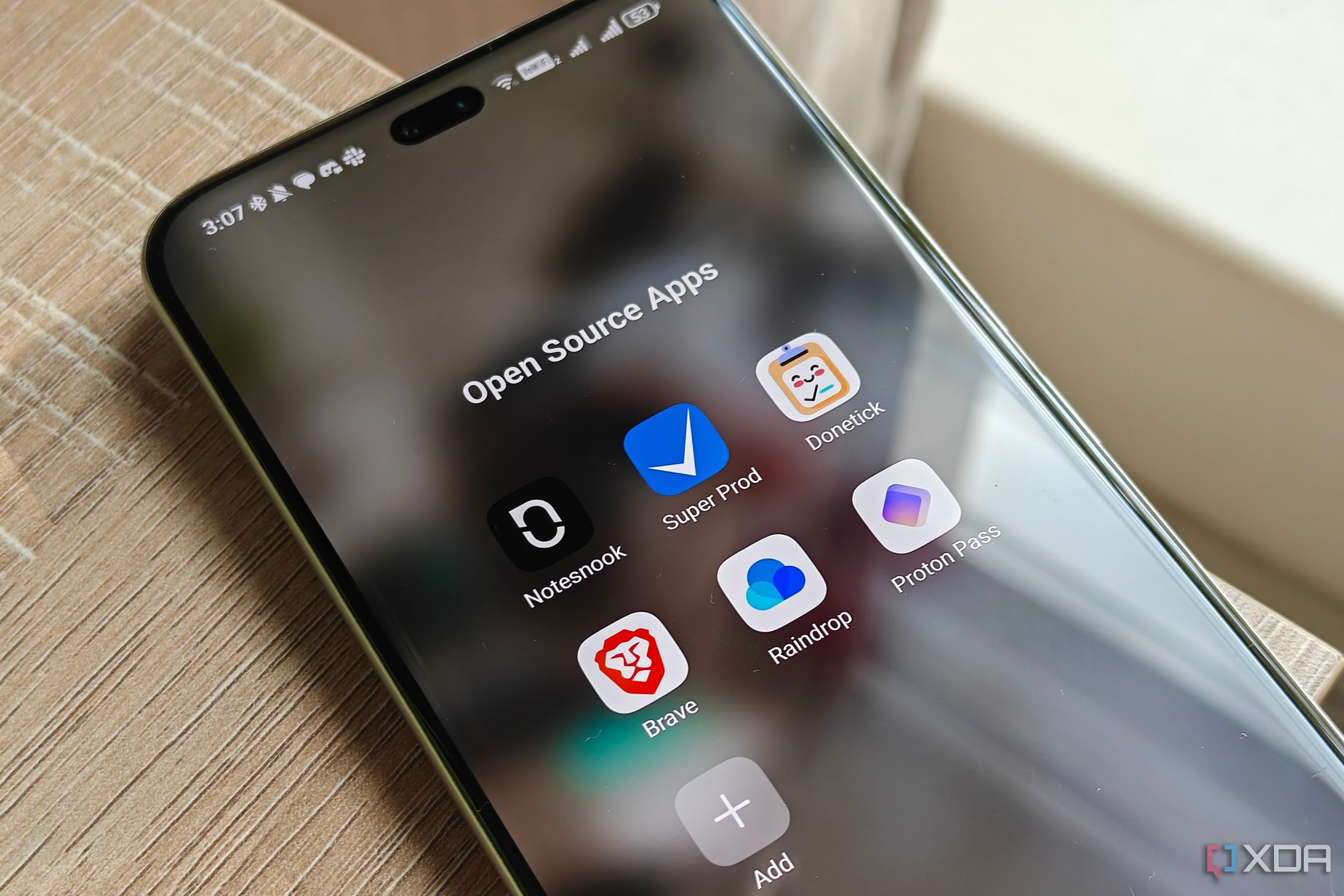
“This is not just a fringe movement anymore,” said Dr. Eliza Chen, a mobile technology analyst at TechInsight Group. “Users are realizing that open-source apps can match—and in some cases surpass—Google’s offerings without the data tracking.”
Key Open-Source Replacements Gaining Traction
Among the most popular alternatives are OpenTasks for to-do lists, SimpleLogin for password management, and Nextcloud for file sync and productivity. These apps are available on the F-Droid store and increasingly on the Google Play Store itself.
Background: Android’s Open Roots vs. Google’s Grip
Android is built on an open-source kernel, yet the vast majority of users rely on Google’s proprietary apps—Gmail, Google Calendar, Google Keep, and Google Password Manager. These apps are pre-installed and deeply integrated.
“Many people don’t realize they have a choice,” said Jane Torres, a privacy advocate at Digital Rights Now. “But once they discover open-source options, many never go back.” The shift has accelerated after recent Google policy changes that increased data collection in free apps.
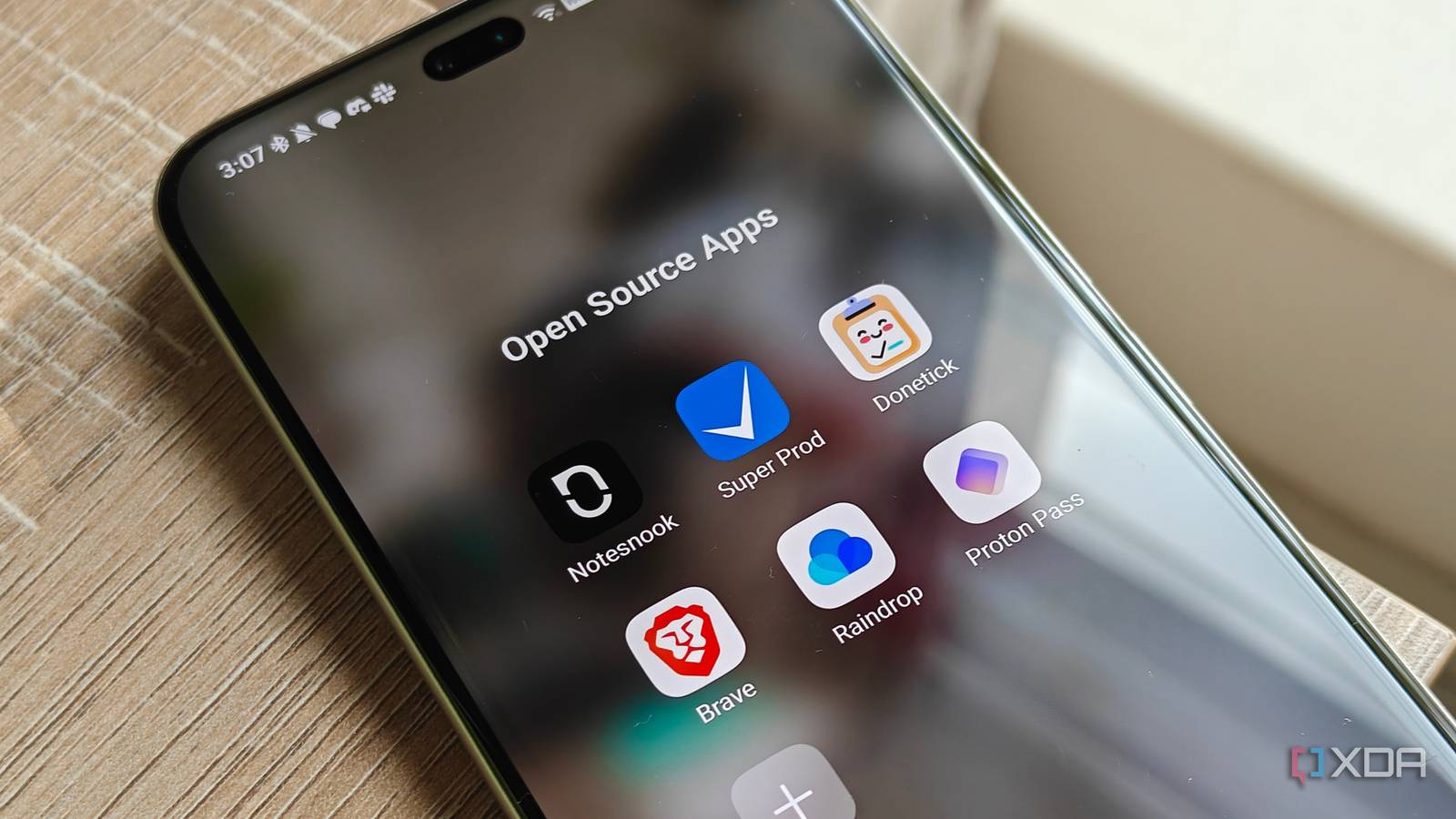
What This Means for Google and Users
This trend poses a long-term threat to Google’s advertising revenue model, which relies on user data from its apps. By switching to open-source, users keep their data local or self-hosted, undermining Google’s primary business.
However, experts warn that open-source apps require more technical setup. “It’s not a plug-and-play experience for everyone,” noted Chen. “But the privacy payoff is significant for those willing to invest the time.”
Challenges and Future Outlook
Despite the surge, open-source alternatives still lag in seamless integration with Android’s core features. Users may need to manually sync contacts, calendars, and notifications. Developers are actively working on improving compatibility.
“We expect continued growth as the ecosystem matures,” Torres said. “Google may need to reconsider its approach or risk losing a segment of its most engaged users.”
— This is a breaking story. More details to follow.